Fitness
5 Healthy Tips to Stay Fit This Fall and Winter

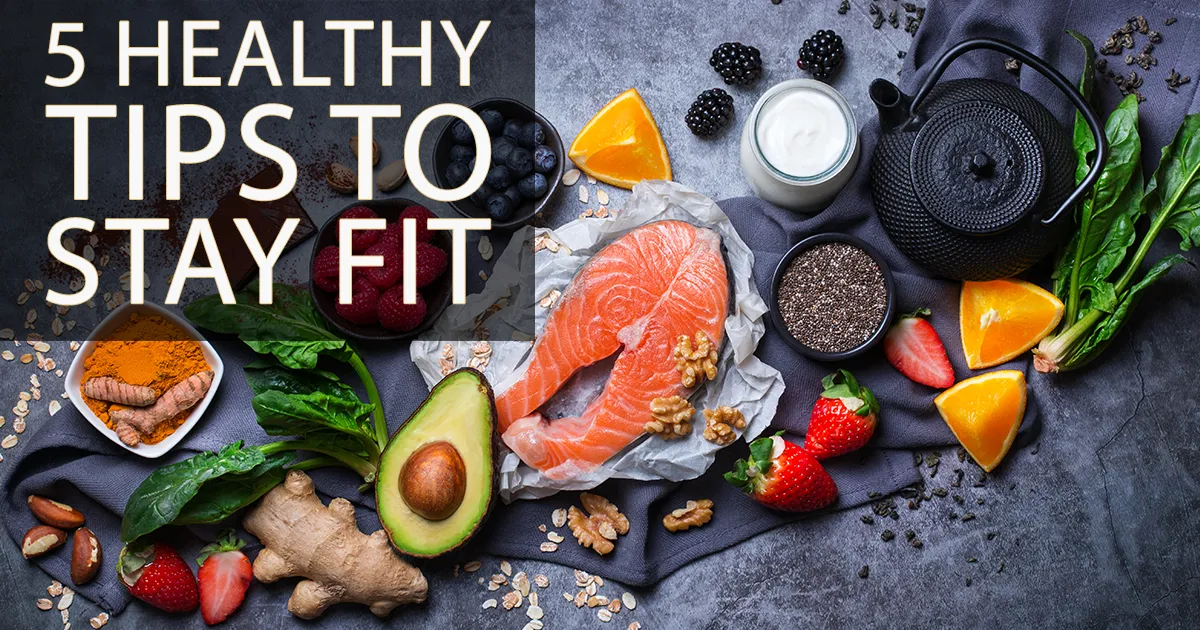
Fall and winter bring plenty of reasons to gather around the table, from football weekends to holiday dinners and family celebrations. In Camden and across South Jersey, the colder months can also make it easier to move less, eat heavier meals, and fall out of routines that supported us during warmer weather.
Staying healthy, however, does not have to mean avoiding every comfort food or following a restrictive diet. A few practical habits can help keep nutrition, energy, and overall wellness on track throughout the season.
Here are 5 healthy tips to stay fit during fall and winter, plus one bonus habit worth carrying into the new year.
1. Eat With the Season
Fall and winter bring their own lineup of fruits and vegetables, and taking advantage of seasonal produce is a simple way to add variety to meals.
Seasonal produce is generally harvested closer to peak ripeness. Eating with the seasons can also encourage people to rotate different fruits and vegetables into their diets rather than relying on the same foods all year.
Think apples, pears, squash, sweet potatoes, carrots, leafy greens, Brussels sprouts and citrus fruits, depending on what’s available locally.
For Camden and South Jersey residents, shopping seasonally can have another benefit. Buying from local farmers and markets when possible helps keep more food dollars within the surrounding community while introducing families to foods grown closer to home.
2. Build a Balanced Plate and Watch Your Portions
Cold weather and comfort food go together. That does not mean macaroni and cheese, mashed potatoes, desserts, and other favorites have to disappear from the table.
Instead, focus on balance.
Try building meals around vegetables, whole grains when available, and a source of protein such as fish, chicken, turkey, beans, or lentils. Richer sides and desserts can still have a place without becoming the entire meal.
One useful approach is the 80/20 mindset. Aim for nourishing choices most of the time while leaving room to enjoy favorite foods without turning one meal into an all-or-nothing decision.
Portion awareness matters too. Start with a reasonable serving, eat slowly, and give your body time to recognize whether you’re still hungry before going back for seconds.
3. Stay Hydrated, Even When It’s Cold
Hydration is easy to think about on a hot Camden summer afternoon. It can be easier to forget once the coats come out.
Your body still needs fluids throughout fall and winter.
Keeping a reusable water bottle nearby can make drinking water throughout the day easier. Unsweetened tea, sparkling water, and water flavored with fresh fruit can also provide alternatives when plain water gets boring.

At the same time, pay attention to beverages that quietly add significant amounts of sugar and calories. Sodas, sweet teas, seasonal coffee drinks, and other sugary beverages can add up quickly.
A simple habit is to start the morning with water and continue drinking regularly instead of waiting until you feel thirsty.
4. Slow Down and Enjoy Your Food
The holidays can turn eating into a sprint. Plates get filled quickly, conversations are happening, and seconds may arrive before the body has had time to register the first serving.
Slowing down can help.
Take time to actually taste and enjoy the meal. After finishing, consider waiting 10 to 15 minutes before getting another helping. That gives your body more time to signal whether you’re still hungry.
This approach can be especially useful at holiday parties, family dinners, and community events where food is plentiful.
Food is part of culture and connection, especially around the holidays. Healthy eating does not have to remove that experience. It can simply mean becoming more intentional about how we enjoy it.
5. Keep Moving Through the Colder Months
Healthy eating is only one side of staying fit. Movement matters too.
Shorter days and colder temperatures can make staying inside more appealing, but physical activity does not have to stop because summer is over. Walking, home workouts, stretching, dancing, recreational sports, or trips to a local gym or community center can all help keep the body moving.
The key is finding something realistic enough to maintain.
Instead of waiting for the perfect hour-long workout, look for opportunities to add movement throughout the day. A walk after dinner, 15 minutes of exercise at home, or an active weekend with family still counts.
For Camden families, this is also a chance to make wellness social. Invite a friend on a walk, get the kids moving, or turn physical activity into something the whole household can participate in.
5 Healthy Tips to Stay Fit During Fall and Winter: Make Consistency the Goal
Fall and winter wellness is less about perfection and more about what happens consistently.
A holiday dinner will not erase months of healthy habits. Likewise, one healthy meal cannot replace an overall routine. The goal is to build habits that can survive busy schedules, celebrations, cold weather, and the occasional plate of your favorite comfort food.
Five Habits to Remember
- Shop seasonally: Add fall and winter fruits and vegetables to meals whenever possible.
- Balance your plate: Prioritize vegetables and protein while enjoying richer foods in reasonable portions.
- Drink more water: Keep fluids nearby and limit how often sugary beverages replace water.
- Slow down at meals: Give your body time to recognize when you’re satisfied.
- Move every day: Find realistic ways to stay active, even when cold weather keeps you indoors.
Bonus Tip: Don’t Show Up Hungry
Heading to a holiday party, family gathering, or restaurant with an empty stomach can make portion control much harder.
Instead of “saving your appetite,” consider having something light beforehand. A small salad, fruit, vegetables, soup, yogurt, or another simple snack can take the edge off your hunger.
That makes it easier to arrive ready to enjoy the gathering rather than feeling like you need to eat everything in sight.
Why This Matters in Camden
Health conversations become more useful when they work in real life.
For Camden residents, wellness can intersect with food access, family traditions, neighborhood resources, budgets, busy work schedules, and the availability of safe places to stay active. Advice that ignores those realities only goes so far.
Small choices still matter. Buying an in-season vegetable, taking a walk with family, carrying water during the day, or changing how a plate is portioned are accessible starting points that can build into stronger routines.
Healthy living should not feel reserved for people with expensive memberships, complicated meal plans, or unlimited free time.