Business
IRS Is Watching Your Side Hustle: What Camden Needs to Know

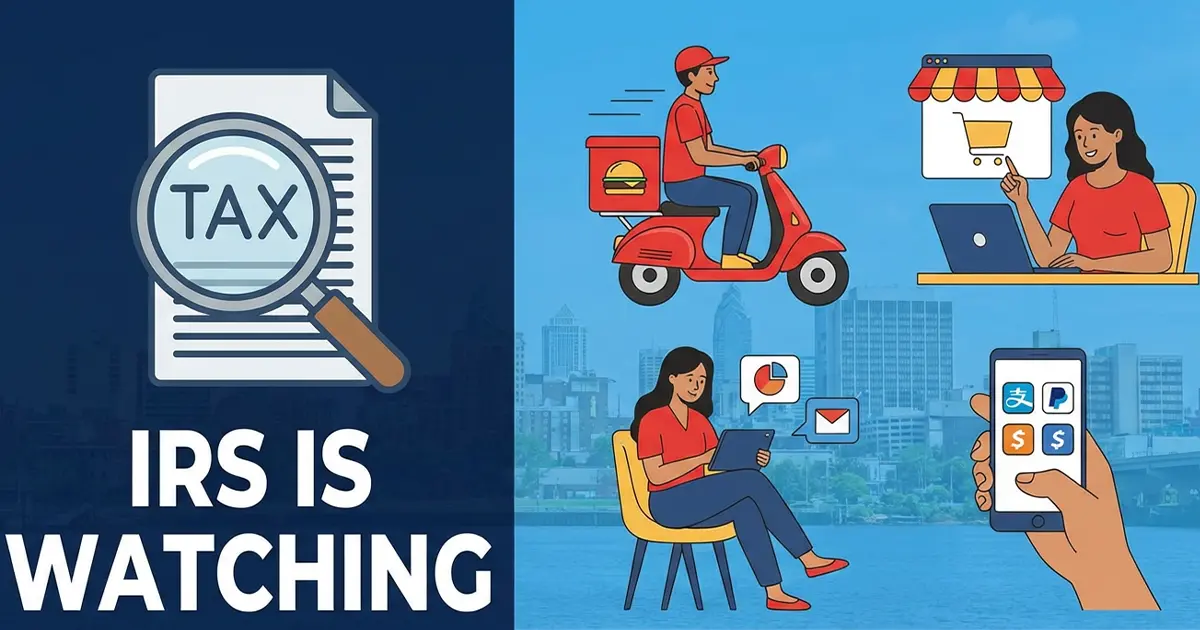
If you’re making extra money in Camden — whether that’s delivering food, freelancing, selling stuff online, or getting paid through apps — here’s something you need to know: the IRS is paying more attention to that income than they used to.
Let’s break down what’s happening and how to stay out of trouble.
What Actually Counts as Side Hustle Income?
In plain English, it’s any money you make outside your regular job. We’re talking about:
• Driving for Uber, Lyft, DoorDash, or Instacart
• Selling on eBay, Etsy, Facebook Marketplace, or Amazon
• Freelance work like graphic design, writing, coding, or consulting
• Making money from YouTube, TikTok, or sponsored posts
• Getting paid through Venmo, PayPal, Zelle, or Cash App for services
Here’s the thing: it doesn’t matter how small the amount is. If someone paid you for something you did or sold, the IRS considers it taxable income. Period.
Why the IRS Can See More Now

The IRS isn’t suddenly cracking down because they’re suspicious of everyone. It’s actually pretty straightforward — they can see way more information than they could before.
Payment apps and online platforms now report income data directly to the IRS. They’ve got matching systems that compare what these companies report against what you put on your tax return. When the numbers don’t line up, it triggers a flag automatically. Even small amounts can get you a letter.
Where People Mess Up
Let’s talk about the common mistakes that get folks in Camden and across South Jersey into trouble:
Thinking small amounts don’t matter. Even if you only made a few hundred bucks, you’re supposed to report it. The IRS doesn’t care if you got a tax form or not — all income needs to be reported.
Waiting for a 1099 to show up. Here’s where it gets tricky: just because you didn’t get a 1099 form doesn’t mean you’re off the hook. You still need to report what you earned.
Assuming cash or app payments are invisible. Cash might seem harder to track, but here’s the reality — when you deposit that cash or transfer money between accounts, you’re creating a paper trail. If you get audited, that trail shows up.
Mixing business and personal money. Using the same checking account or credit card for both your side hustle and personal stuff makes everything messier. It’s harder to track what you actually spent on your business, which means you might miss out on deductions you’re entitled to.
How to Keep Yourself Protected
Now here’s what you can actually do about it:
Track your income yourself. Don’t wait for forms to arrive. Keep a simple spreadsheet or log where you write down payments as they come in. Takes five minutes but saves you major headaches later.
Keep business and personal money separate. Open a separate bank account or get a separate card just for your side hustle. Makes everything cleaner and easier to track.
Save everything. Keep your receipts, invoices, and statements from whatever platform you’re using. You’ll need them to back up your income and expenses when tax time rolls around.
Report all of it. Include everything you made from your side hustle on your tax return, even if no 1099 showed up in the mail.
Report all of it. Include everything you made from your side hustle on your tax return, even if no 1099 showed up in the mail.
What This Means for Camden Hustlers
Side hustles are everywhere now — here in Camden, across South Jersey, and throughout the country. The IRS knows this, and they’re not looking the other way.
This isn’t about being scared of the IRS. It’s about staying organized and keeping control of your own situation. When you report your income honestly and keep decent records, you avoid those stressful IRS letters that nobody wants to deal with.
Think about your side hustle like a real business, even if it feels more like a hobby. Keep it organized, know what’s coming in and going out, and you’ll be in way better shape when April comes around.
The bottom line? The rules haven’t really changed — the IRS has just gotten better at seeing what’s out there. Stay ahead of it by keeping good records and reporting what you make. It’s really that simple.
Quick Legal Note: This article is for informational purposes and doesn’t constitute legal or tax advice. Everyone’s tax situation is different, and tax laws can be complicated. If you’ve got specific questions about your side hustle income or taxes, talk to a qualified tax professional or accountant who can look at your individual situation.